

For the so-called “Best League in the World™”, it’s safe to say the Premier League is currently experiencing a full-blown existential crisis.
The bombshell announcement of Manchester City’s guilt on all but one of their 115 charges has left the game feeling more hollow than ever before. Is there a title race? Who’s going down? What is real? Does any of this mean anything? Throw in the continued abomination that is VAR and more, and it’s all just a bit bleak.
So with that, let’s cast our minds to a simpler, purer time, the much-fabled “Barclays era” of 2004 to 2016.
While football didn’t start in 1992, the Premier League did and by the early-to-mid 2000s, it was reaching its apex as the blood and thunder of decades prior fused with the new-found flair and panache to create a near-perfect concoction.
The current state of the English top-flight can be traced all the way back to the summer of 2003 with Roman Abramovich’s purchase of Chelsea. It was the moment the horse bolted and nothing has been the same since.
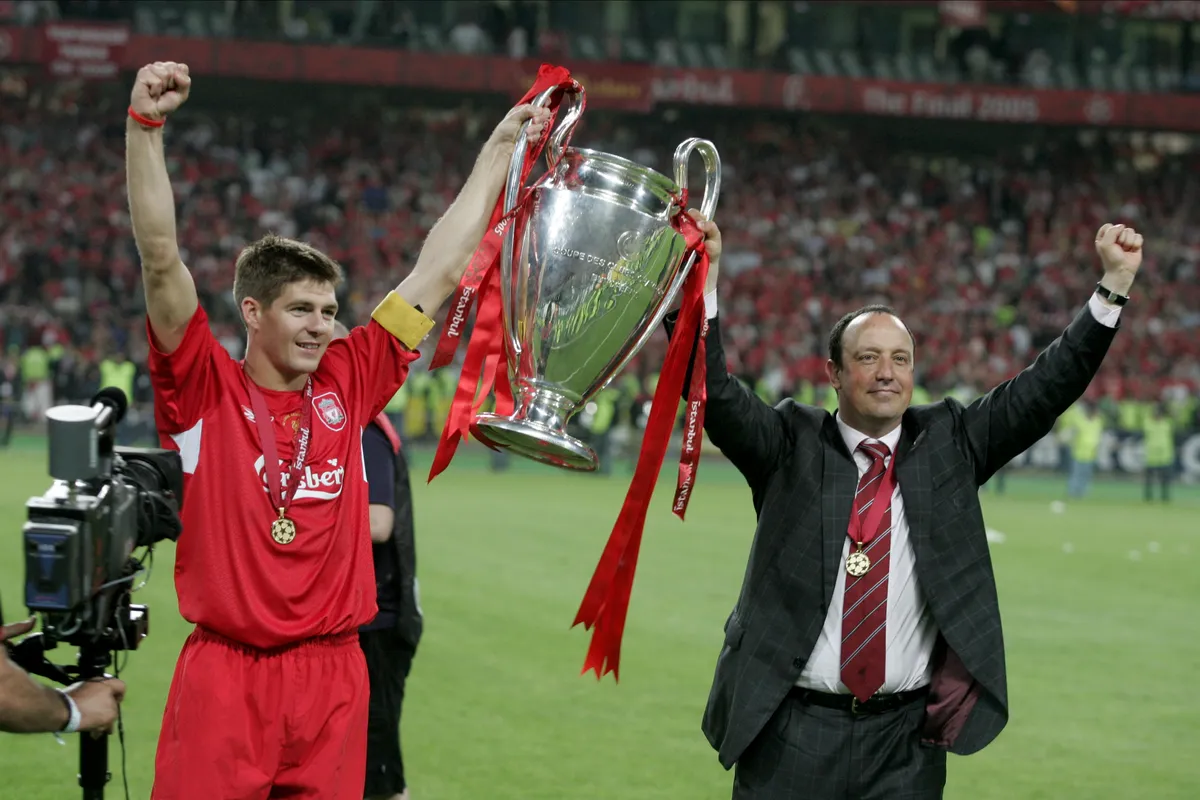
However, at the time, it was all just a little bit exciting and things really picked up 12 months later when Jose Mourinho landed in West London, rightly claiming to be the “Special One”. The reigning European Cup winner was joined by Rafael Benitez, who came to Liverpool after incredible success with Valencia.
Suddenly, Sir Alex Ferguson and Arsene Wenger were no longer the only gunslingers in town. The “Big Two” quickly became the “Big Four” as Mourinho romped to the league title - breaking numerous records - and Benitez amazingly won the Champions League. Istanbul and all that.
The two Iberians changed so much in the English game. From how to set up a side to how to win the title - 4-4-2 and peaking after Christmas being swapped out for 4-3-3 and rapid-fast starts.
Liverpool’s fifth European Cup was significant for numerous reasons. It was their first in 21 years but also the first final featuring an English side in the 21st century. They had beaten Chelsea to get there, starting both an incredible rivalry between the clubs and managers, and a golden age for the Premier League.
Over the next four years, all of the then-”Big Four” made finals and there were three semi-finalists in every season from 06/07 to 08/09. The peak came in 2008 when each was knocked out by another with United eventually toppling Chelsea in the first all-English final in Moscow. In one of the odder paradoxes, England failed to qualify for the European Championships that summer.

Fergie’s empire had struck back with Cristiano Ronaldo and Wayne Rooney at the forefront of it. In an era of elite pairings, there was no finer. Ronaldo’s Ballon d’Or win confirmed his status as the best player in the world, and the Premier League as truly the best league.
It was also a time of far less financial disparity with the rest of Europe, Milan and Inter lifting the Champions League in 2007 and 2010 respectively. Things would soon change and not for the better.
While the big boys competed for the biggest trophies, there were plenty of brilliant stories elsewhere. Harry Redknapp’s Portsmouth won the FA Cup in 2008, setting the tone for Wigan five years later in epic fashion against City months on from Swansea claiming the League Cup. Only Crystal Palace's success in 2025 has been comparable since.
Throw in Big Sam’s Bolton, Blackburn, Stoke, Hull and others and it was the last definitive age of the cult teams and cult heroes, or as they’ve become better known - The Barclaysmen. With the overload of data nowadays, another Michu-like madness feels further away than ever.
Abu Dhabi’s takeover of City in 2008 is the obvious place to pinpoint the beginning of the end, but Mourinho’s first Chelsea exit a year prior and Ronaldo’s first from United a year after moved the centre of attention from England to Spain.
While European success faded - a fate-like Chelsea were the only winners from 2008 to 2019 - there were still memorable domestic moments, two of which unfortunately led to City winning their first pair of Premier League titles. Agueroooooo and Gerrard’s slip may be rendered utterly irrelevant soon but the memories won’t. It was peak Premier League.
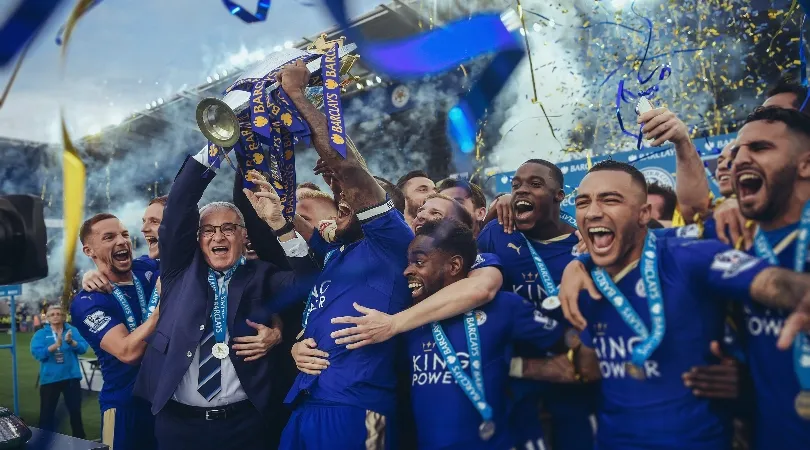
As was Sir Alex Ferguson’s last dance in 2013 and Leicester’s miracle title win in 2016, which will never be topped as the greatest achievement in the history of English football. That it came either side of Chelsea’s crooked titles and prior to City’s dodgy dominance makes it all the more appropriate as the ending of the last great era. And that goes for both in football and the world itself.
While the on-field action of the last decade may feel fraudulent, how we now consume football is also a far cry from those halcyon Barclays days.
Streaming was not yet a thing in 2004. Sky Sports was in its pomp. Super Sunday actually lived up to its billing as appointment viewing.
Influencers and content creators had not yet taken over. Gary Neville went past his winger on the overlap rather than host it. Social media was still fun for the most part.
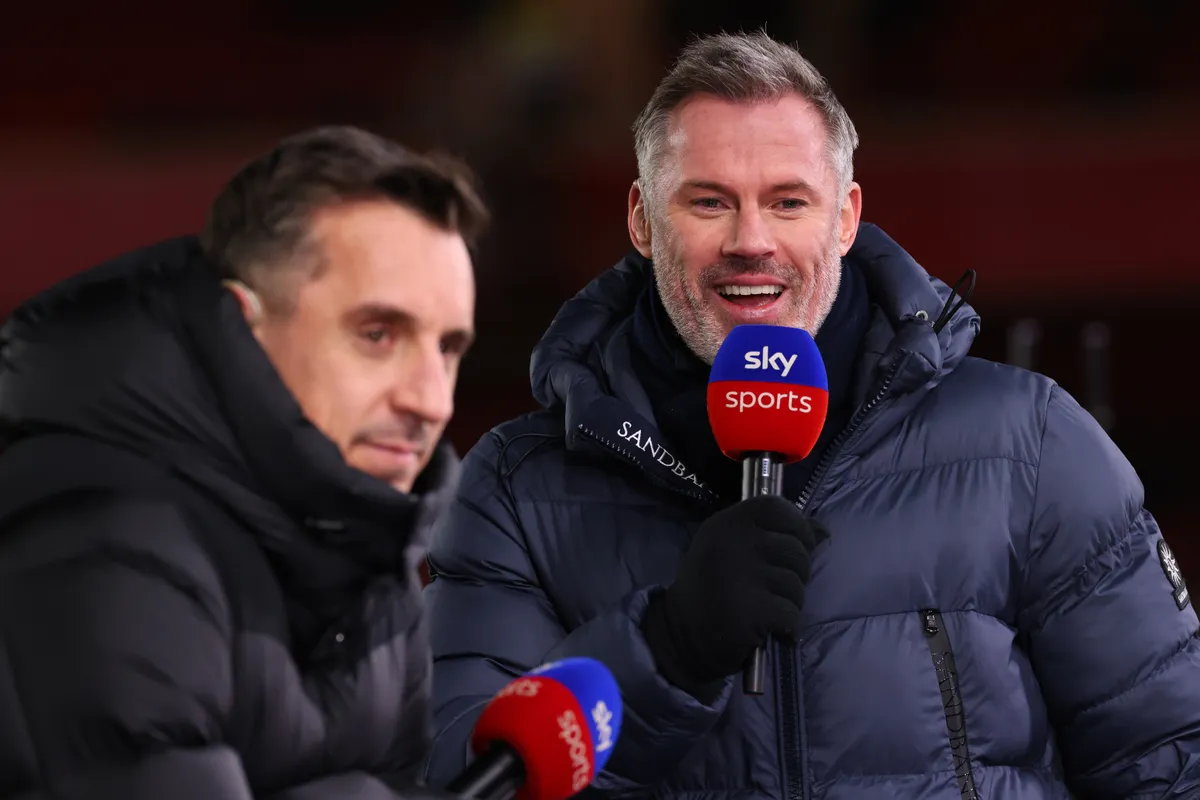
We had Soccer AM and Goals on Sunday, Gillette Soccer Saturday and Match of the Day at elite levels, and even room for shows like Wayne Rooney’s Street Striker and Football’s Next Star.
Nostalgia is a helluva drug, but as Independent Panels decide the fate of English football past, present and future, it’s near-impossible to dispute that, like so much of entertainment, we had it so much better before.
One day, the pendulum will hopefully swing back in our favour but, for now, a rewatch of Premier League Years on Sky may be in order.
