




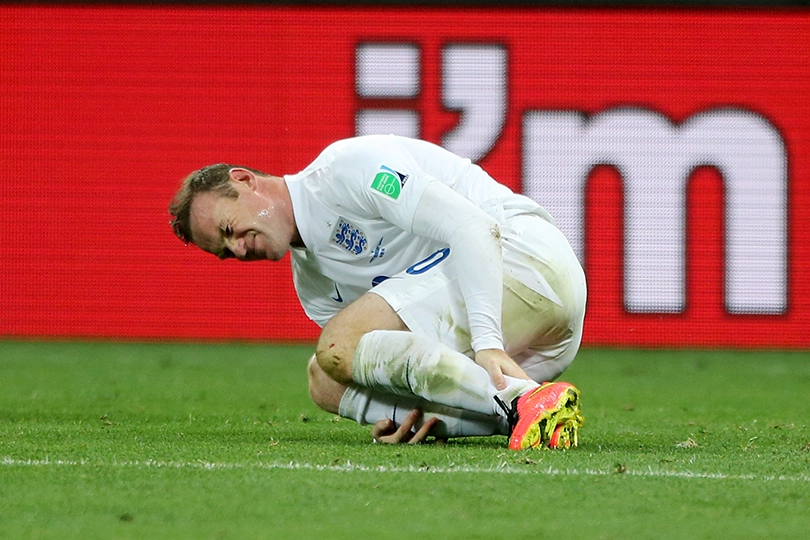
Where does it hurt?
The Achilles tendon is the longest in the body, running from the top of the calf muscle down to the heel bone. It’s extremely tough and can cope with heavy loads and repetitive forces, but it is prone to sudden strains during a game and can become agitated if a training schedule is changed significantly.
Exactly what is happening?
During an instant strain the tendon’s fibres will experience a tear. If the onset is gradual, due to increased workload, they will become chronically inflamed.
Don’t worry, it’s not going to kill you...
Instant strains are graded from one to three. Only a few fibres will have been damaged in a grade one strain and a player will recover in seven to 10 days. Grade two can take from two to eight weeks, depending on severity. A grade three or tendon rupture is a massive injury and normally requires surgery. This needs specialist attention and players can be out for six to 12 months.
How to prevent it happening
A good warm-up including calf stretches, functional movements, jumps and sprints will limit the risk of injury. Performing regular flexibility and strengthening exercises, such as heel raises, squats and lunges, also help to reinforce the tendon.
