





Author Chris Evans spoke to dozens of managers and players from different eras for his book How to Win the World Cup: Secrets and Insights from International Top Football Managers.
Updated for the 2026 tournament, the book includes exclusive interviews with legends such as Sir Geoff Hurst, Pierre Littbarski and Luiz Felipe Scolari, as it pieces together a blueprint of what it takes for a nation to get its hands on the trophy.
Evans has picked out the six common trends from winning campaigns of the past to build an idea of how to win the World Cup.
Hire the right manager

Recent history suggests that international football is increasingly becoming a specialist subject, with success in the club game not always translating to a glittering stint with a national team. The likes of Lionel Scaloni, Joachim Low and Luis de la Fuente have all won major tournaments, despite having very little – if anything – to shout about on their domestic CVs. Association men who understand the demands of tournaments and the temperament needed to manage internationally tend to fare best.
Lose a game

This might seem counterintuitive, but suffering some adversity as a group is a great way to mould a winning side – as long as they don’t make a habit of it. The best teams seem to have overcome something together first, whether it’s an early defeat to refocus their minds, ala Spain in 2010 or Argentina last time out, or a number of near misses that help them shape a winning formula. In the aftermath of the 2018 final, France boss Didier Deschamps talked about how losing the Euro 2016 final had been key in their development to becoming World Cup winners two years later.
Pragmatism beats ideology
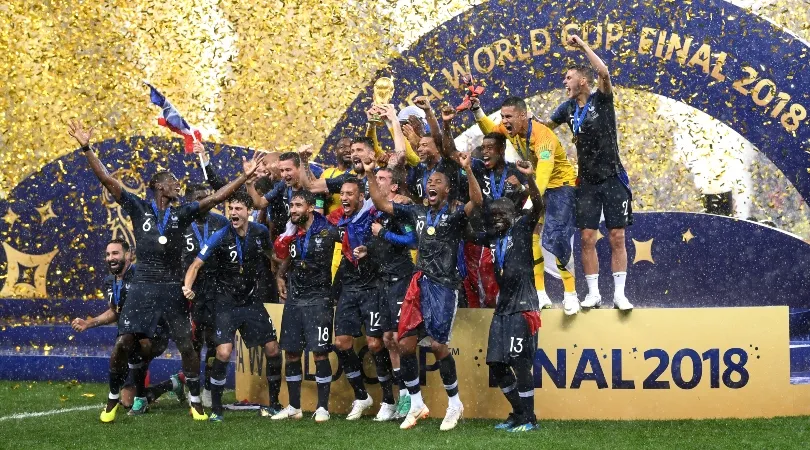
International football tends to be much more pragmatic than the club game and successful managers tend to be aware of the tactical limits they’re working within at a World Cup. Significantly less time with players means it’s almost impossible for coaches to emulate the intricate attacking moves or choreographed presses of the club game, so tactics need to be adapted to that environment – even if the fans don’t like it. The nature of knockout football is that not losing is a much more important skill over the course of a tournament than an ability to blow teams away. It sounds boring, but that’s what tends to win World Cups.
Let a group grow together
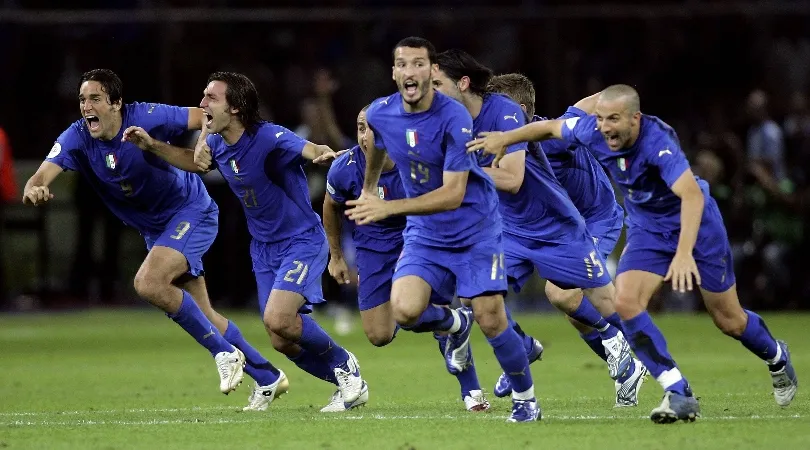
International squads take much longer to bond together than they do at club level because they’re not together as a group for anywhere near as long. This means that creating and maintaining a core of players throughout a multi-year international cycle is important, with continuity forming a settled environment at training camps. That doesn’t mean that new faces shouldn’t be integrated when form demands, but showing faith with key leaders in the group and not chopping and changing huge swathes of the squad is crucial when building something successful.
Pick a balanced squad

Cramming a squad full of the nation’s best players might seem like the obvious thing to do when heading to a World Cup, but too many senior players vying for only 11 starting slots can be a recipe for disaster. In fact, some dissenting players in tournaments gone by have proved that some stars are best either starting or being left at home. Mixing experience with youth and including players who are happy to take squad roles is more likely to achieve success, thanks to a happier group that isn’t competing with each other or sulking over not playing the minutes they expect.
Create a positive atmosphere

Tournament football is uniquely intense, with players away in training camps for more than a month if they’re going to lift the trophy. Draconian rules – such as Fabio Capello’s ketchup ban during the 2010 World Cup – no access to families and limited entertainment can create a conflicting atmosphere where players are looking forward to going home, even if they’re still aiming to progress in the tournament. The happiest camps are the ones that give players an element of freedom and trust. A striking example is Vicente del Bosque granting his victorious Spain side of 2010 a mid-tournament night out after beating Portugal in the round of 16 to blow off some steam and build unity. It’s safe to say it worked.
The updated version of How to Win the World Cup by Chris Evans is published by Bloomsbury and is out now in paperback HERE

