




The very future of international football currently hangs in the balance after a dramatic week in the FIFA world. And you thought football governance was boring.
FIFA's plans to bring private investors into the running of its competitions prompted fury the world over, with politicians and FIFA members all expressing their outrage.
UEFA member have agreed to boycott FIFA's international tournaments until the proposal is shelved, with CONCAFAC and AFC both voicing opposition to the world governing body too.
Where the 2027 Women's World Cup stands amid FIFA chaos
For the time being, FIFA seem to trying to call the confederations' bluff and insist that the consultation process into the private investment scheme will continue.
But UEFA are fully serious about the boycott, and could yet get more substantial support from their fellow confederations around the world - which could be an issue when it comes to the 2027 Women's World Cup.

The tournament is set to be held in Brazil next summer - but it would fall under the remit of the boycott of FIFA competitions threatened by UEFA.
That means that none of the 11 guaranteed spaces allocated to UEFA nations would be taken up - and it is unclear how, exactly, FIFA would propose to fill them if the boycott stands.
Those spots represent over a third of the places available at the 32-team tournament.
It would be a huge embarrassment for FIFA, and potentially a commercial disaster, if UEFA nations were not involved.
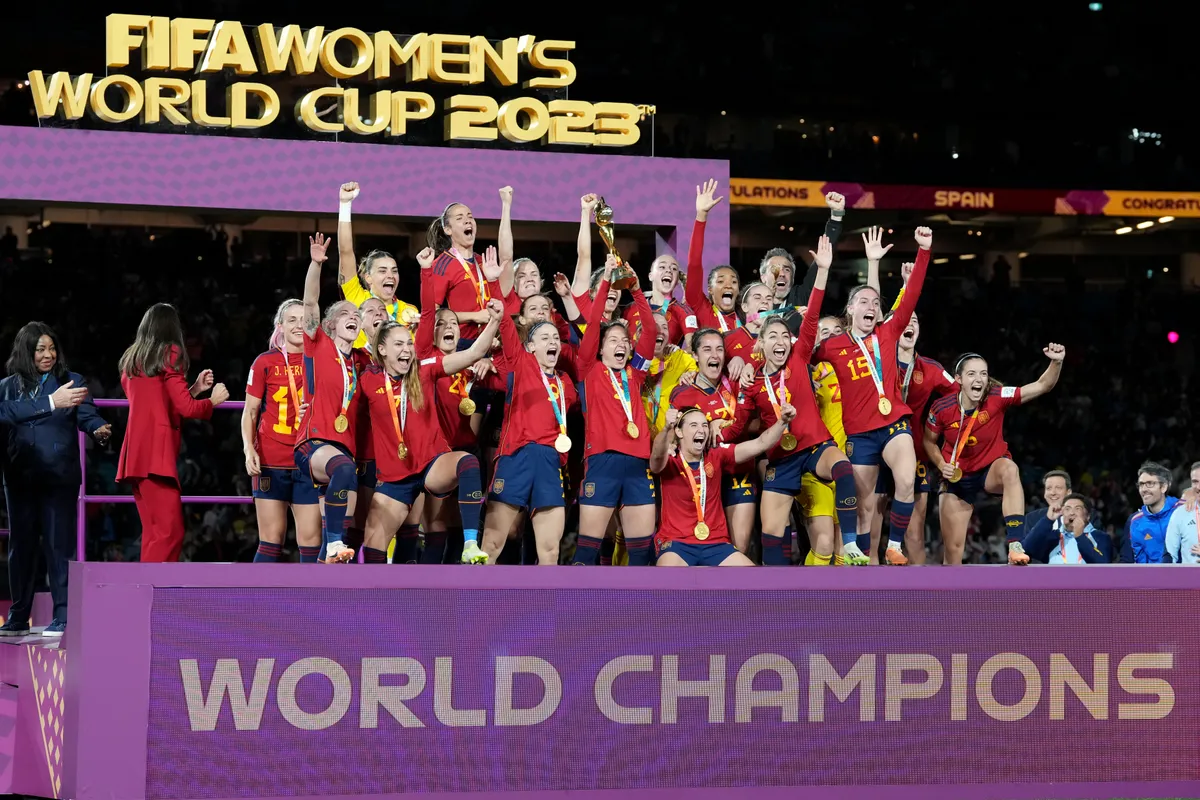
Five of the quarter-finalists at the last edition of the tournament, in 2023, were European sides, including both of the eventual finalists, winners Spain and runners-up England.

Even more pressingly, UEFA's qualification process for the competition still is not complete.
24 two-legged play-off games currently scheduled to be played between October and December to determine who will join Denmark, France, Spain and Germany at the competition next summer.
That means the situation would need to be resolved to UEFA's satisfaction before October if those games are to go ahead.
All 55 UEFA members are unanimously agreed that the boycott is necessary to safeguard the future of international football.

