


Over the course of nine seasons between 1968 and 1977, Kenny Dalglish established himself as one of the best players to ever pull on a Celtic shirt.
But after 338 appearances and 173 goals, the forward made a British transfer record south of the border, joining Bob Paisley’s all-conquering Liverpool side in a £440,000 deal.
The move did not go down well with Celtic fans, who booed Dalglish when he returned to Celtic Park for Jock Stein’s testimonial match a year later.
Dalglish on his decision to leave Celtic

For Dalglish, who had been made Celtic captain in 1975, the decision to leave the club where he had made his name came out of his burning ambition to succeed in Europe.
“I was desperate to get my hands on a European Cup and felt I needed a new challenge,” he tells FourFourTwo.
“After winning a league and cup double in 1977, I told the manager that I wanted to leave. He reluctantly accepted that.
“I’m still hugely grateful to Celtic. People may say, ‘Well, Kenny wanted to move away’, but that’s where it all began for me. I’ll forever be indebted to them.
“Especially to Jock, who did so much for me, but also for Celtic. He said, ‘Have it your way, you wee bastard, I might know somebody that would be happy to meet you.’”
That man was Bob Paisley. After winning four Scottish titles and four Scottish Cup - but crucially no European gongs - Dalglish was heading to Liverpool.
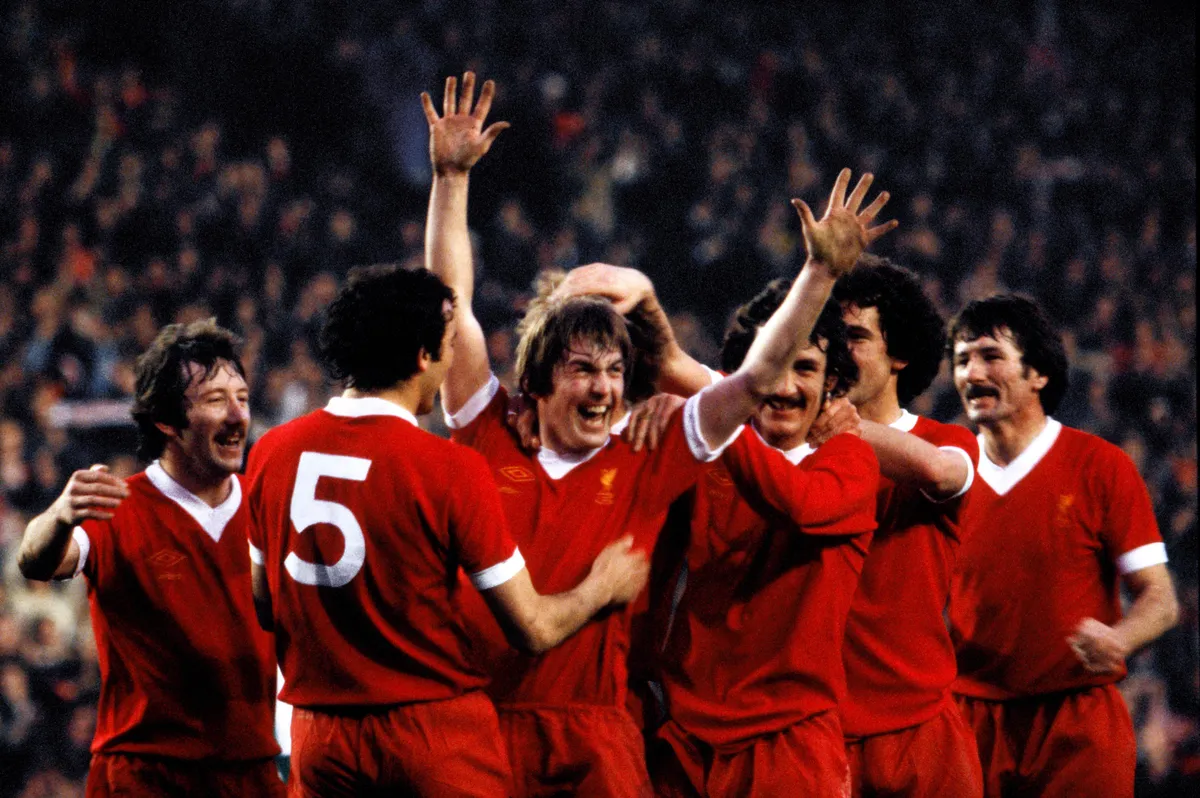
On Merseyside, the Reds were dealing with the loss of their own talismanic forward – Kevin Keegan had departed Anfield for Hamburg immediately after lifting the 1977 European Cup.
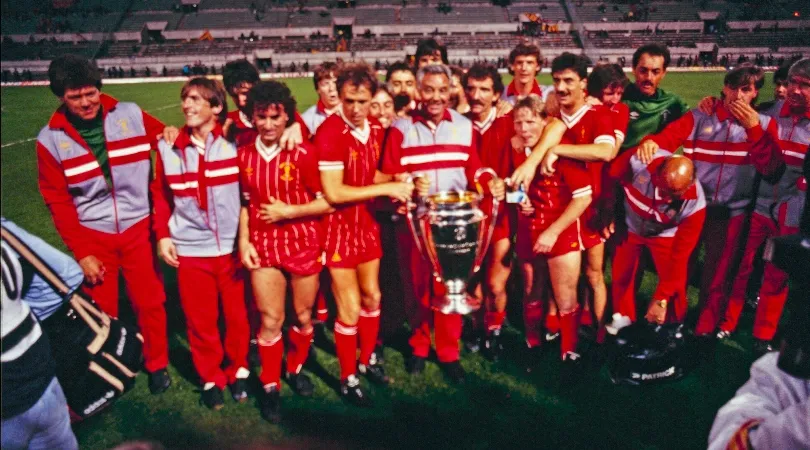
“He was a great man, Bob,” Dalglish recalls. “He’d been right through the club, from player, to physio, to coach, to manager. He reminded me of Jock in that he was very close to his players and very knowledgeable about the game.
“He was brilliant and so humble, he never gave himself enough credit. People often wondered if Liverpool had some kind of secret to success, even before I joined them. Well, if there was a secret, nobody was going to be told it.”
Asif Kapadia’s documentary film Kenny Dalglish is now on Amazon Prime

